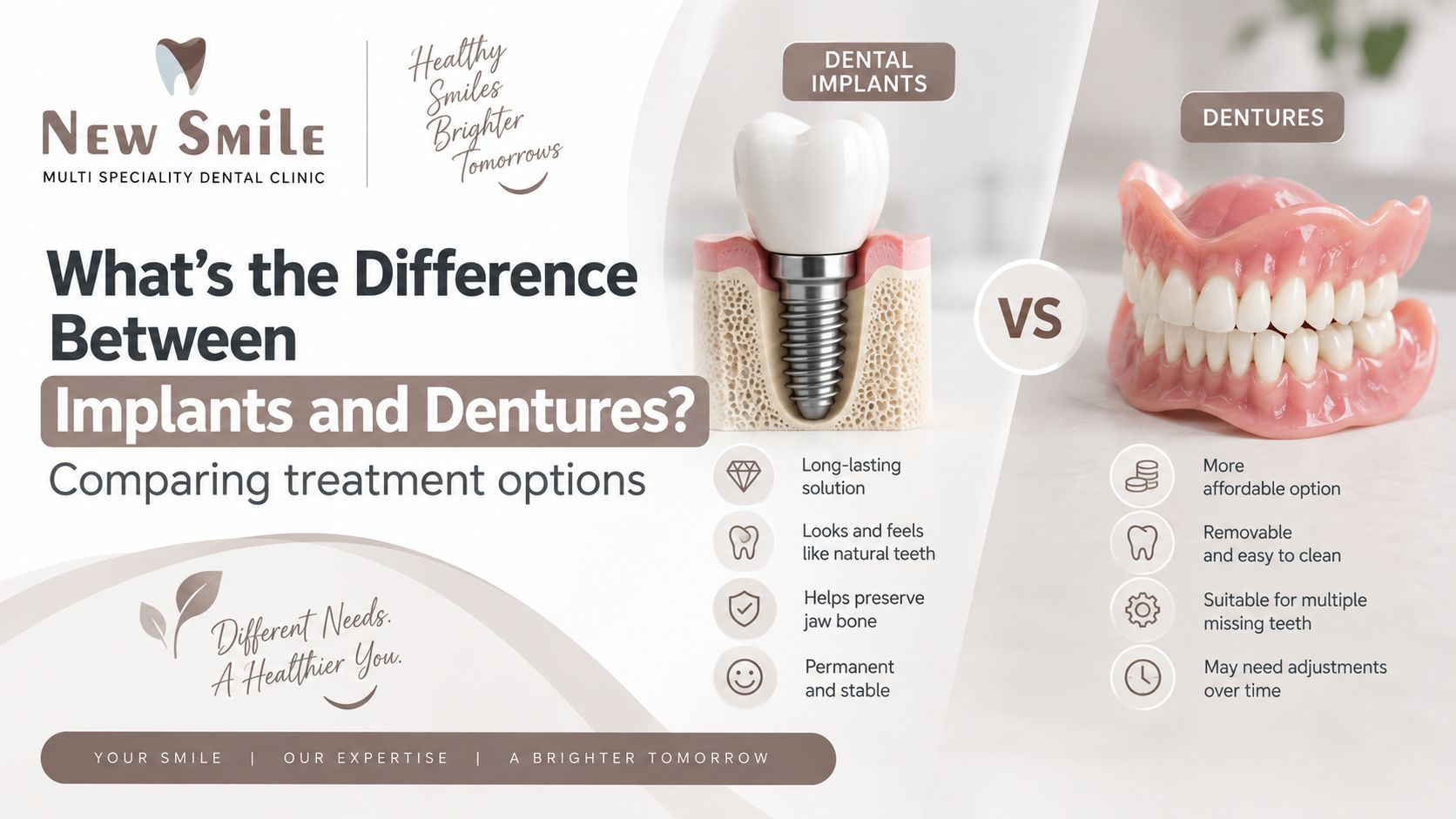
Losing adult teeth affects far more than your reflection in the mirror—it impacts how you chew, how you speak, and how long your facial bone structure stays intact. When replacing missing teeth, the decision almost always comes down to two choices: dental implants or dentures.
The quick verdict: Choose dental implants if you want a permanent, fixed replacement that restores full chewing power, protects your jawbone from shrinking, and functions just like natural teeth. Choose dentures if you need a non-surgical, quick-turnaround solution with a lower upfront cost, or if severe health limitations make minor oral surgery inadvisable.
Here is an honest, clinical look at how these two treatments stack up across daily function, jawbone health, maintenance, and long-term costs.
Side-by-Side Comparison: Implants vs. Dentures
| Feature | Dental Implants | Traditional Dentures |
|---|---|---|
| Attachment Method | Fixed directly into jawbone (Titanium artificial root) | Rests on gums via suction or chemical adhesives |
| Chewing Efficiency | 90% – 95% of natural bite force | 20% – 30% of natural bite force |
| Bone Preservation | Stimulates bone and stops bone shrinkage completely | Does not stop bone loss; accelerates jaw ridge flattening |
| Expected Lifespan | 25+ years to a lifetime with basic hygiene | 5 to 7 years (requires relines and replacements) |
| Daily Maintenance | Brush and floss like natural teeth | Remove nightly, soak in solutions, apply sticky adhesives |
| Surgery Required? | Yes (Minimally invasive 30–60 min procedure) | No (Impressions and fabrication only) |
| Upfront Cost | Higher initial investment | Budget-friendly initial investment |
1. Chewing Power & Dietary Freedom
Your teeth exert tremendous pressure during everyday meals. A natural tooth root transfers chewing energy straight into the jawbone, allowing you to bite through crunchy apples, fibrous vegetables, and meats without hesitation.
Dental implants mimic this exact bio-mechanical structure. The titanium post fuses with your jawbone, giving you back over 90% of your natural bite force. You eat whatever you want without worrying about teeth shifting or popping loose.
In contrast, clinical research documented in the National Library of Medicine shows that conventional removable dentures provide only 20% to 30% of normal masticatory efficiency. Because dentures rest on sensitive gum tissue, biting into hard or sticky food causes friction sores. Many denture wearers eventually stop eating raw fruits, crunchy nuts, and tough proteins, shifting to a soft, carb-heavy diet that can negatively impact general nutrition.
2. Jawbone Loss and Facial Changes
This is the single most critical medical difference between the two treatments:
- What happens with dentures: When a natural tooth root is missing, the body perceives that section of the jawbone as unnecessary and begins reabsorbing the minerals. Within the first 12 months after tooth loss, jawbone width decreases by up to 25%. Because dentures sit on top of the gums, they provide zero stimulation to the underlying bone. Over time, the ridge flattens, your dentures become loose and wobbly, and the lower third of your face can begin to collapse inwards—creating premature facial wrinkles and sunken lips.
- What happens with implants: A dental implant is the only restorative treatment that prevents bone resorption. Every time you chew, the titanium post transmits micro-stimulation down into the bone cells, triggering healthy bone renewal. This preserves your natural jawline and facial contours permanently.
Are Your Current Dentures Loose or Painful?
You don't have to suffer through slipping teeth or messy adhesives. At New Smile Dental Clinic in Gota, Ahmedabad, we offer implant-stabilized solutions that lock dentures securely in place.
Schedule Your Smile Assessment →
3. The True 10-Year Cost: Upfront Price vs. Long-Term Value
At first glance, traditional dentures appear to be the far cheaper option. However, looking at total expenses over a 10 to 15-year window tells a very different financial story:
The Real Cost of Dentures
Because your jawbone continually shrinks under a denture, the prosthetic that fit snugly in year one will become loose and unstable by year two or three. Maintaining dentures requires:
- Ongoing purchases of adhesive pastes, cleansers, and soaking tablets.
- Periodic lab relines every 18 to 24 months to fill in bone gaps.
- Complete denture replacement every 5 to 7 years when the appliance can no longer be adjusted.
The Real Cost of Dental Implants
Dental implants require a larger single payment upfront. However, the titanium implant post itself has a 98%+ clinical success rate and is designed to last the rest of your life. The custom porcelain or zirconia crown attached to it typically lasts 15 to 20 years before minor maintenance is needed. When amortized over 15 to 20 years, implants frequently prove to be more economical than replacing dentures multiple times.
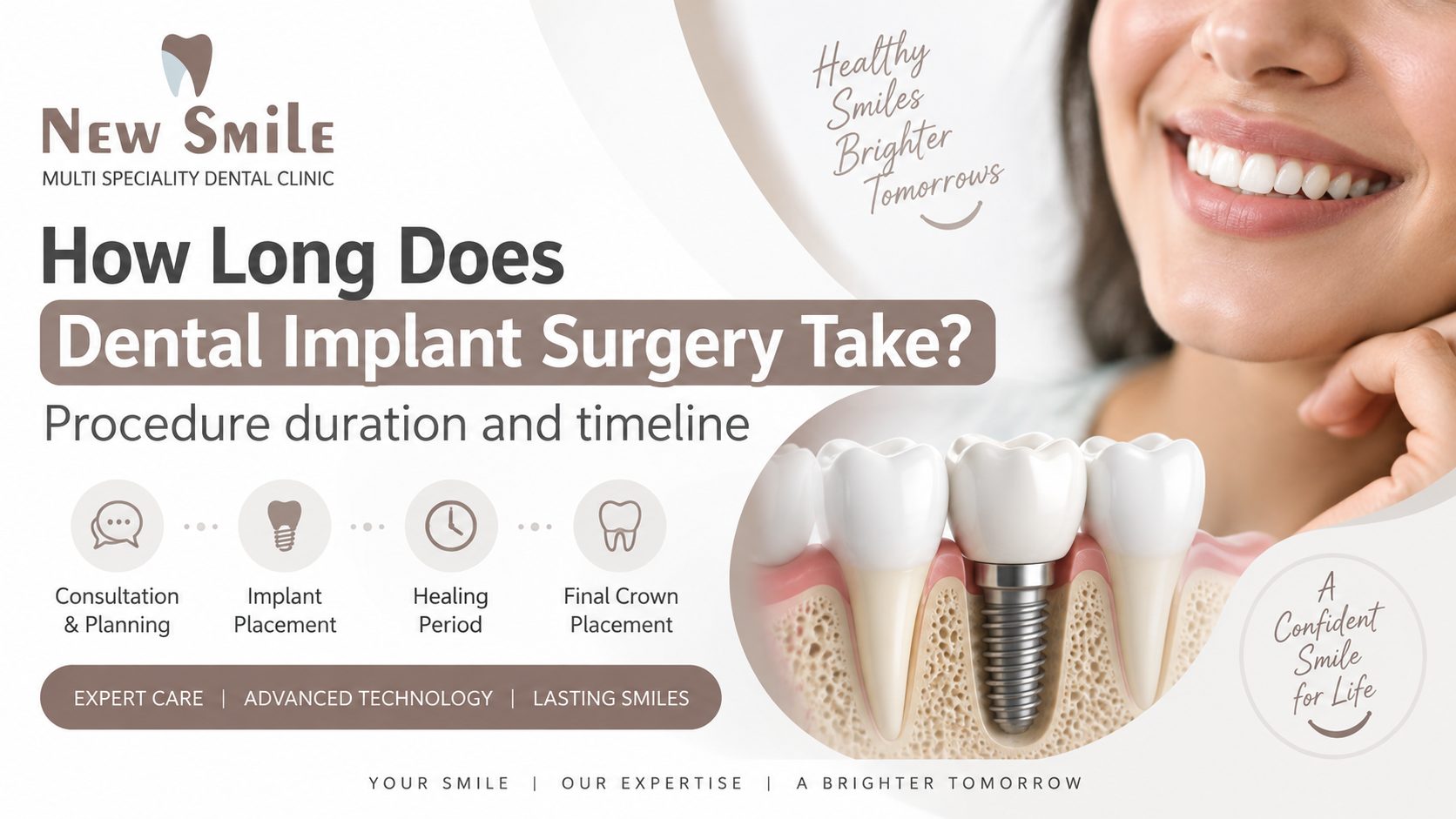
Curious about surgical timeframes? Review our breakdown of how long dental implant surgery takes and the healing timeline to see what the process involves.
4. The Middle Ground: Implant-Supported Dentures (Snap-In Teeth)
What if you want the rock-solid stability of implants, but need an economical way to replace an entire arch of missing teeth?
Implant-supported overdentures represent the ideal hybrid. Instead of placing 8 to 10 individual implants, our oral surgeons place just 2 to 4 titanium posts in your jaw. A custom-fitted denture is then engineered with special locator snap attachments on the underside.
- The denture snaps firmly onto the implants—meaning zero slippage, zero clicking noises, and zero adhesives.
- The palate (roof of your mouth) remains open, allowing you to fully taste your food again.
- You can still snap the appliance out at night for effortless cleaning.
Which Treatment Should You Choose?
Dental Implants Are Right For You If:
- You want a permanent solution that looks, feels, and cleans like natural teeth.
- You want to preserve your jawbone structure and avoid facial sagging.
- You want to eat crunchy foods, nuts, and crisp vegetables without restriction.
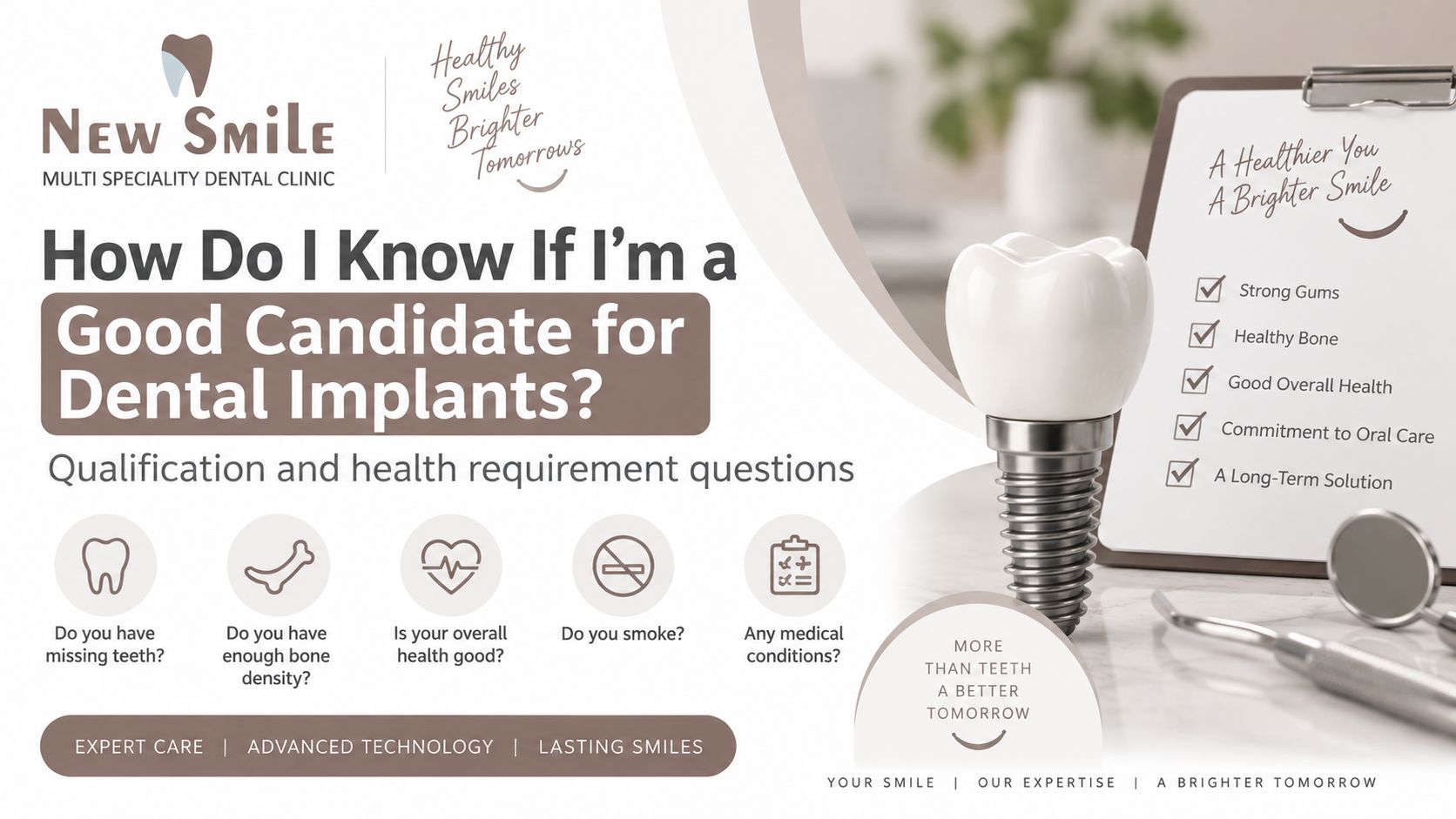
- You meet standard health requirements (check our guide on dental implant candidacy and health factors).
Dentures Are Right For You If:
- You need an immediate, budget-friendly replacement.
- You want to avoid any surgical procedures due to advanced medical conditions.
- You have experienced severe, extensive bone loss and do not wish to undergo bone grafting.
Frequently Asked Questions
Can I switch from removable dentures to dental implants later?
Yes. Many patients who wore dentures for years eventually switch to implants because they grow tired of loose fits and adhesives. If prolonged denture wear has caused significant bone shrinkage, our specialists can perform bone grafting or use tilted implant protocols like All-on-4 to restore your eligibility.
Do dental implants feel fake in your mouth?
No. Because dental implants are firmly rooted in your bone, they feel completely indistinguishable from real teeth. You will not feel any moving parts, bulky plastic on your palate, or gum soreness.
How long does it take to recover if I get implants instead of dentures?
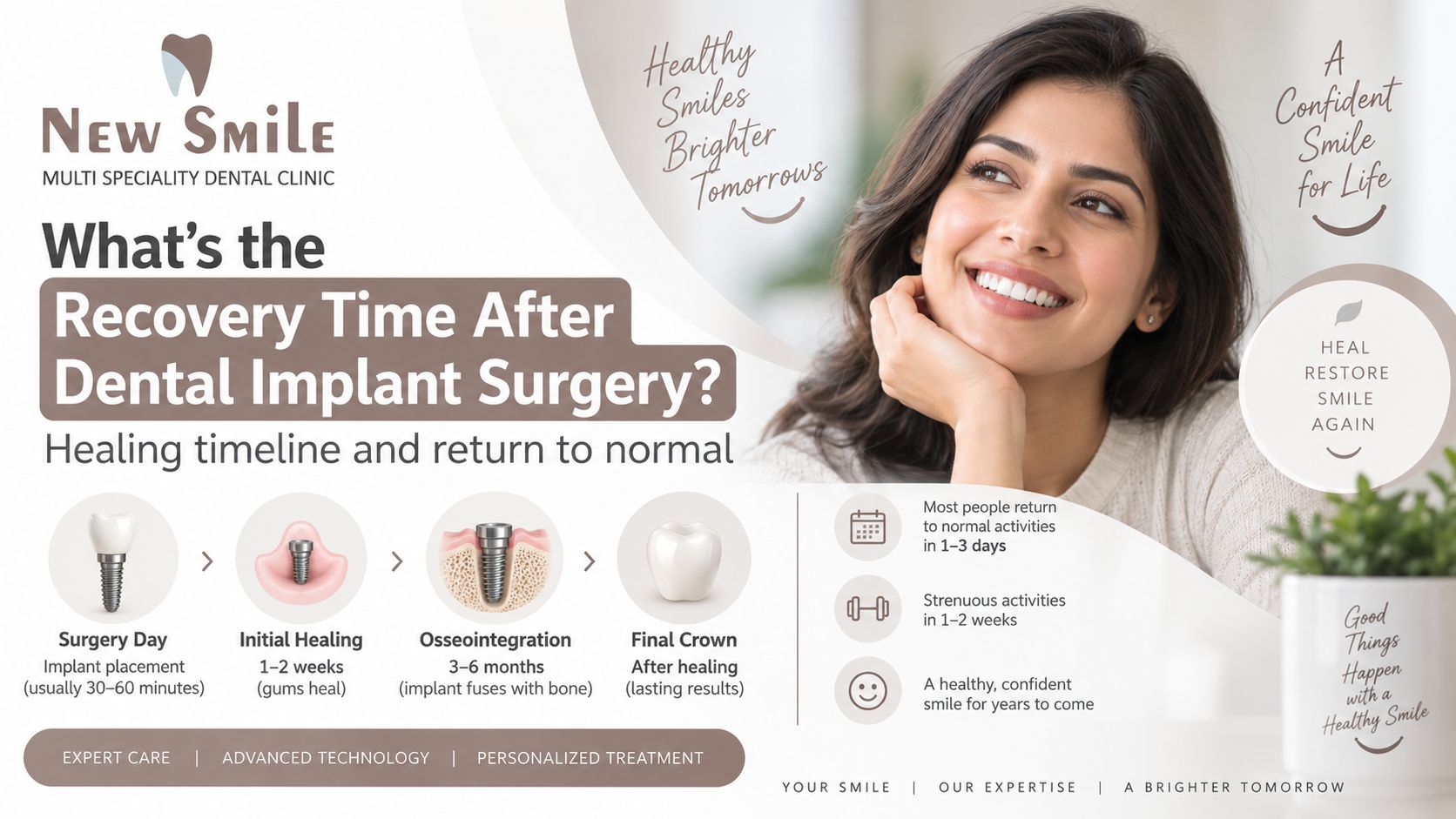
Most patients experience mild soreness for only 3 to 5 days after implant placement, returning to desk work the very next day. Review our complete guide on recovery time after dental implant surgery for post-care details.
Discover the Best Teeth Replacement Option for You
Whether you are exploring fixed dental implants, modern lightweight dentures, or snap-in overdentures, Dr. Sunny Patel and the team at New Smile Multi Speciality Dental Clinic (Gota, Ahmedabad) provide honest, digital-guided guidance tailored to your health and budget.